Overheating and Electrical Warnings Often Share a Starting Point
When temperature climbs and battery or charging warnings show up together, the visit works better when the shop sees the full symptom chain instead of one guessed part.
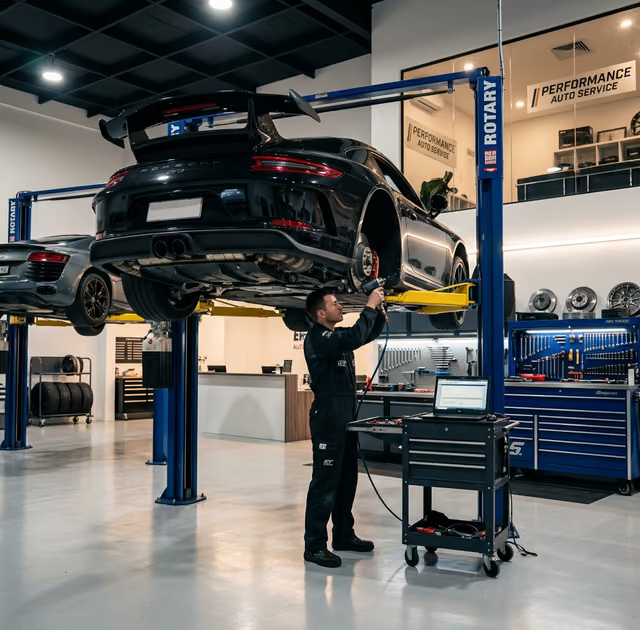
An overheating complaint and a charging warning do not always point to two separate jobs.
Sometimes they are connected by the same starting point:
- Cooling fans need electrical control. A fan that does not turn on because of wiring, relays, voltage issues, or control problems can create a heat complaint that looks like a pure cooling failure.
- Low voltage can confuse multiple systems. Weak charging output or unstable battery voltage can trigger warning lights, module errors, and symptoms that make the vehicle feel less predictable than a simple battery replacement.
- Heat can make electrical problems worse. Connectors, sensors, batteries, and charging components often act up faster when the engine bay is already too hot.
That is why the intake note matters.
If the gauge climbs in traffic, the battery light flickers, the A/C changes, the fans sound wrong, or the car smells hot after a short drive, say all of that in the same request. The more complete the symptom chain is, the easier it is for the shop to choose the right diagnostic starting point.
At Torque & Tune, the goal is to test the cooling path and the electrical path together when the vehicle is telling the same story from both directions. That keeps the first visit focused on root cause instead of replacing one part and waiting for the next warning to show up.
If the vehicle is actively overheating, steaming, or no longer safe to drive, call the shop first. Otherwise, send the full symptom chain so the first conversation can turn into a more accurate cooling and electrical diagnostic plan.
Topics covered
Next step
Have a warning light or repair need?
Bring the symptom details and let the shop decide what to check before anything is promised.
Keep exploring
Keep exploring before you book
Browse the shop gallery, customer reviews, and service pages that match this note if you want more proof before you contact the team.
Related shop notes
 Field-tested
 Arizona Heat Vehicle Maintenance Beyond the Thermostat
Mesa drivers should watch cooling, batteries, tires, fluids, and electrical symptoms before Arizona heat turns small issues into breakdowns.
Field-tested How the Shop Sequences a Multi-Service Visit
When the vehicle needs tires, a brake check, an oil change, and a warning-light diagnosis, the order of work and parts planning matter more than most customers expect.
 Field-tested
 What a Diagnostic Fee Actually Covers
Scanning a code and diagnosing a vehicle are not the same job. The diagnostic fee pays for time, equipment, and root-cause testing that changes what gets repaired.